
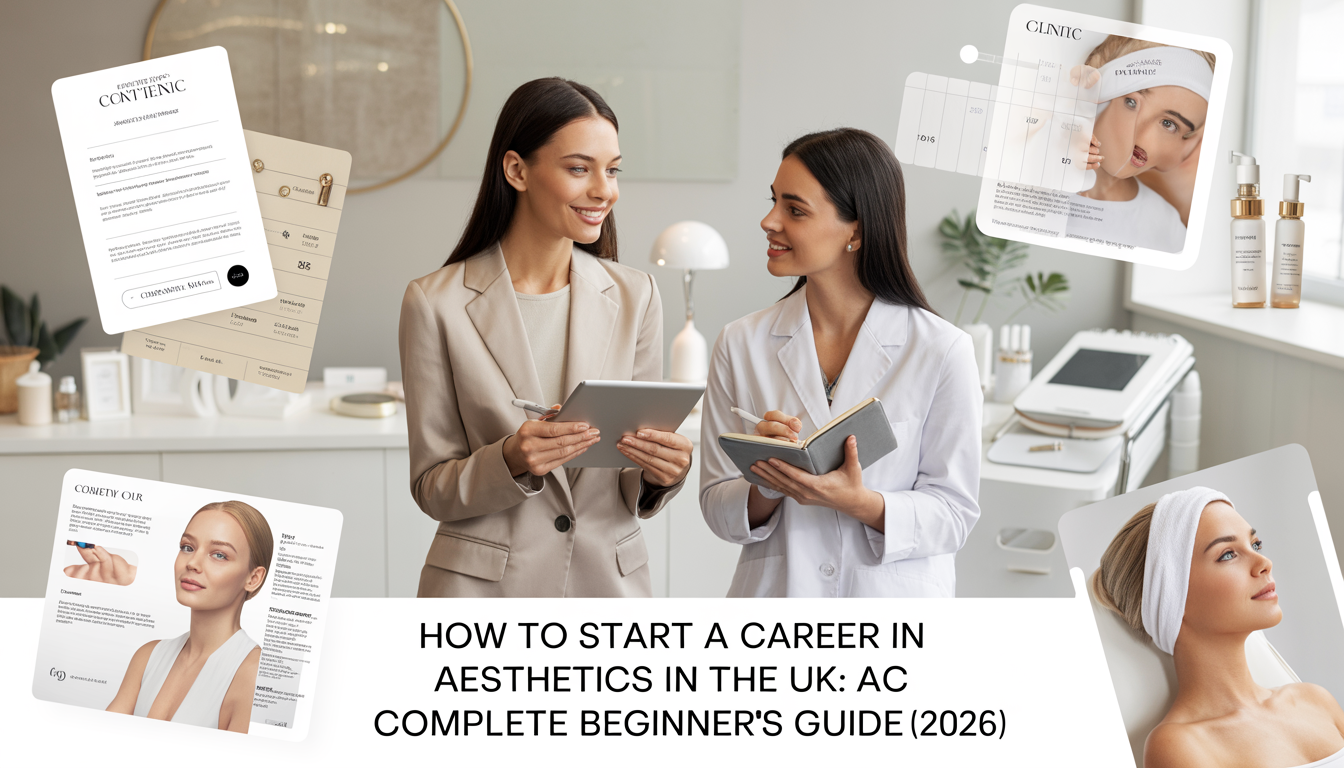
The UK aesthetics industry is now estimated to be worth over £3.6 billion, with around 16,000 businesses providing non surgical cosmetic procedures.
For people considering a career change whether you are a nurse, dentist, doctor, beauty therapist or have no medical background at all there has never been a more interesting time to enter the field. There has also never been a more important time to do it properly.
Many aspiring practitioners begin by researching established providers such as Hannys Cosmetics.The introduction of the UK’s first national licensing scheme for non surgical aesthetics, confirmed by the government in August 2025, will reshape the industry over the next two years.
This guide explains, in plain English, how to begin a career in aesthetics in the UK in 2026 and what to do first.
What is an aesthetic practitioner?
An aesthetic practitioner administers non surgical cosmetic treatments such as botulinum toxin (Botox), dermal fillers, skin boosters, chemical peels, microneedling and platelet rich plasma (PRP). Most aesthetic practitioners work in private clinics, although many also operate as self employed mobile injectors or run their own clinics.
Clinics such as Hannys Aesthetics Clinic in Harley Street London reflect the growing demand for regulated, professional aesthetic treatment environments.
| An aesthetic practitioner in the UK is a trained professional who delivers non surgical cosmetic procedures, including injectables such as Botox and dermal fillers. While medical qualifications are not currently required by law to perform most non surgical treatments, a national licensing scheme confirmed by the UK Government in August 2025 will introduce mandatory standards for training, premises, hygiene and insurance from 2026 onwards. |
Can you become an aesthetic practitioner without a medical degree?
Yes. As of early 2026, UK law does not require a medical degree to perform most non surgical aesthetic procedures, including Botox and dermal fillers. However, this is changing. Botulinum toxin is a prescription only medicine, which means a registered prescriber (such as a doctor, dentist, nurse prescriber or pharmacist prescriber) must be involved in issuing the prescription. Since 2025, that prescription must follow a face to face consultation between the prescriber and the patient. Remote prescribing is no longer compliant.
There are three realistic routes into the industry:
• Medical professionals doctors, dentists, nurses, midwives, paramedics, dental nurses, dental therapists and pharmacists. This is the fastest route. Foundation injectables courses can typically be completed in 1–2 days, with hands on training on live models.
• Beauty therapists with NVQ Level 3 or above many UK academies accept experienced beauty therapists onto injectable courses, although you will normally need to build your underpinning knowledge before progressing.
• Career changers with no background non medics can train as injectors in the UK, but the route is longer. Most reputable academies recommend completing a foundation in skin and anatomy before progressing to injectables. Under the upcoming licensing scheme, non medics will need to meet stricter qualification, supervision and premises requirements.
The five steps to becoming an aesthetic practitioner
Step 1 Decide your route
Your professional background determines your starting point. Medics with a healthcare registration (GMC, GDC, NMC, GPhC, HCPC) can begin foundation injectables training almost immediately. Non medics will typically begin with a Level 3 or 4 underpinning qualification before moving on to injectables.
Step 2 Complete accredited foundation training
A foundation course in Botox and dermal fillers covers facial anatomy, consent and consultation, injection technique, complication management, and infection control. Reputable training providers such as Hannys Cosmetics Academy in Harley Street, London deliver foundation training in small groups with hands on practice on live models, rather than mannequins or prosthetics.
Step 3 Build supervised clinical experience
Foundation training is the start, not the end. The single biggest predictor of safety and patient outcomes in aesthetics is supervised hours. Look for academies that offer post course mentorship, clinical observation days and structured case logging. Many students also choose to observe procedures inside a safe aesthetic clinic in London to understand real patient workflows and consultation standards. Most strong UK providers now include 6–12 months of mentorship as part of the course price.
Step 4 Register with a recognised body
Two voluntary registers carry weight in the UK: the Joint Council for Cosmetic Practitioners (JCCP) and Save Face. Both are recognised by the Professional Standards Authority. Registration with one of these bodies is currently voluntary, but it is widely expected to become a de facto requirement as the licensing scheme rolls out.
Step 5 Get insured and start practising
Aesthetics insurance is non negotiable. UK specialist insurers Hamilton Fraser and Cosmetic Insure are the two largest provide medical malpractice and product liability cover specifically for aesthetic practitioners. Most insurers require evidence of accredited training before issuing cover.
How long does it take to become an aesthetic practitioner?
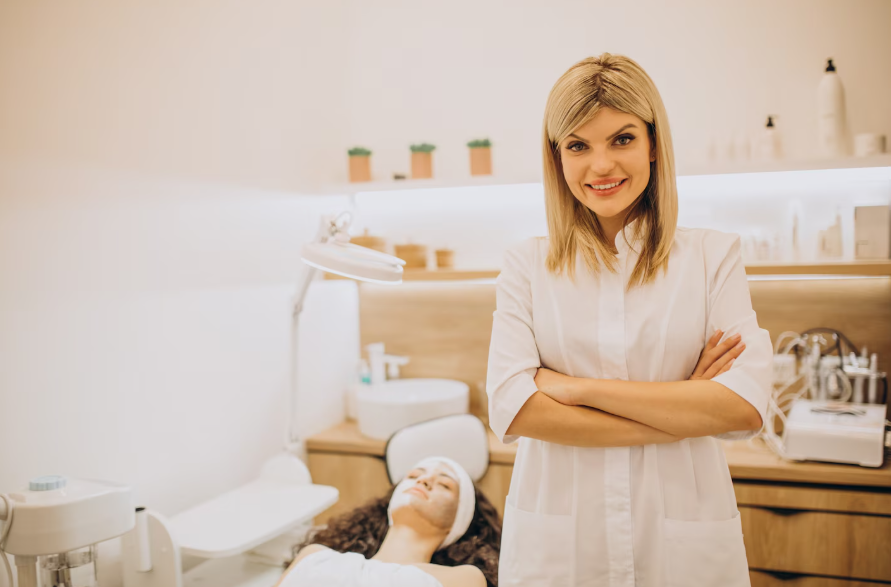
There is no single answer. For a registered medical professional starting from scratch, you can complete foundation Botox and filler training in 2–5 days and begin supervised practice immediately. Building a confident, broad skill set typically takes 6–12 months of mentorship. Reaching Level 7 the postgraduate qualification considered the gold standard typically takes a further 12–24 months alongside practice. Non medics can expect a longer route of 12–24 months from beginner level to confident independent practice.
How much does it cost to train?
| Course type | Typical UK cost | Duration |
| Foundation Botox + filler | £1,500 – £3,500 | 2–5 days |
| Advanced injectables | £1,500 – £4,000 | 2–4 days |
| Skin boosters / PRP / fat dissolving | £500 – £1,500 each | 1–2 days each |
| Level 7 Diploma | £3,000 – £12,000 | 6–36 months |
In total, a complete training pathway from beginner to confident independent practitioner including foundation, advanced courses, models, insurance for the first year, and starter equipment typically costs £5,000 to £15,000 depending on the route taken.
The 2025–2026 regulatory shift you need to know about
In August 2025, the UK Government formally confirmed plans for a national licensing scheme for non surgical cosmetic procedures in England. The scheme uses a traffic light risk model: green (low risk) procedures, amber (medium risk such as Botox and dermal fillers), and red (high risk such as Brazilian butt lifts and thread lifts). Red procedures will be restricted to qualified healthcare professionals working in CQC registered premises. Amber procedures which include the bulk of mainstream aesthetics will require both a practitioner licence and a premises licence, issued by local authorities.
If you are starting your career in 2026, plan around this. Choose training that aligns with the new standards from day one, rather than the lowest cost option that may not meet upcoming requirements. Hannys Cosmetics Academy and other established UK providers have been preparing course content to align with the licensing standards as they emerge.
Frequently asked questions
Do you need to be a nurse to do Botox in the UK?
No, you do not currently need to be a nurse to administer Botox in the UK. However, because Botox is a prescription only medicine, a registered prescriber must be involved in the prescription, and a face to face consultation between the prescriber and patient is now mandatory. From 2026 onwards, additional licensing requirements will apply to all practitioners.
How much can a UK aesthetic practitioner earn?
UK aesthetic practitioner earnings vary widely by experience, location and business model. Employed injectors typically earn £35,000–£60,000 per year. Self employed practitioners running their own clinics commonly earn £60,000–£150,000+, with top performing Harley Street practitioners earning considerably more. Earnings are heavily influenced by retention, pricing strategy and treatment mix.
Is aesthetics training regulated in the UK?
Aesthetics qualifications themselves can be regulated by Ofqual when they sit on the Regulated Qualifications Framework (RQF) for example, Level 4 to Level 7 awards. Many short CPD certified courses are not formally regulated. The training provider should always be transparent about which awarding body and which framework their course sits under.
Do I need a Level 7 qualification to practise?
No. UK law does not require a Level 7 to practise non surgical aesthetics, and the JCCP currently accepts practitioners at Level 4 and above. A Level 7 Diploma is the postgraduate gold standard, typically pursued by experienced practitioners who want academic recognition and stronger insurance terms.
Where can I train in London?
London has a high concentration of aesthetics academies, particularly around Harley Street. Hannys Cosmetics Academy in Harley Street offers beginner to advanced pathways for both medics and non medics, with small class sizes and ongoing mentorship.
Hannys Cosmetics Academy, located at 10 Harley Street, offers beginner to advanced pathways for both medics and non medics, with small class sizes and ongoing mentorship. As with any training decision, look at trainer credentials, accreditation, model practice hours and what post course support is included.
How long until I can earn money from aesthetics?
Most medics begin earning within 1–3 months of completing foundation training, often by adding aesthetics into an existing clinic or starting part time on weekends. Non medics typically take 6–12 months to reach earning capacity due to the longer training pathway.
Final Thoughts
Starting a career in aesthetics in the UK in 2026 means starting in a regulated, professionalising industry one where the practitioners who invest in proper training, mentorship and accreditation will have a meaningful advantage as the licensing scheme rolls out.
The right first step is choosing an accredited training provider that aligns with the upcoming standards, offers genuine hands on practice on live models, and supports you through the first 12 months of your career.
Hannys Cosmetics Academy in Harley Street is one of several UK academies offering this kind of structured pathway.
Leave a Reply