
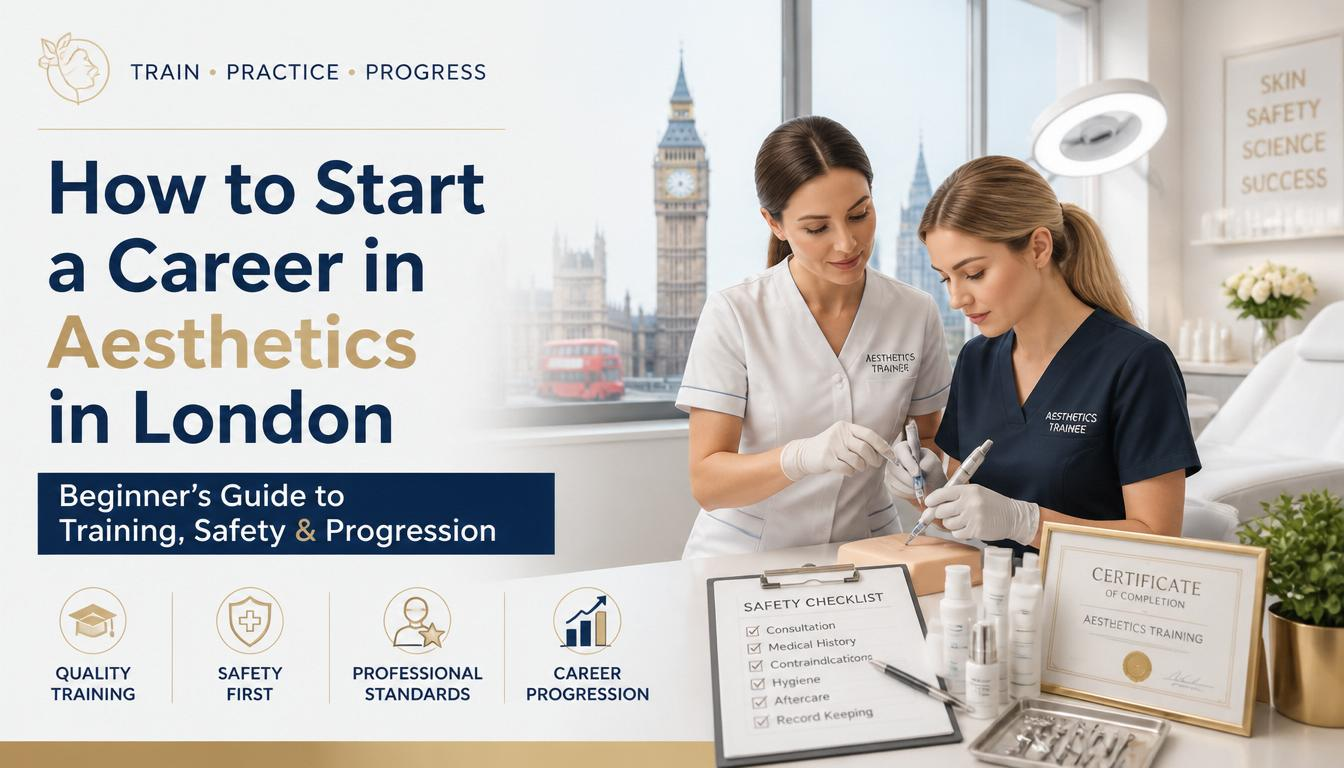
Start Aesthetics Career London? The aesthetics industry in London continues to attract people from healthcare, beauty, wellness, and entrepreneurial backgrounds.
For many beginners, the idea of becoming an aesthetic practitioner is exciting but also confusing. There are different courses, qualifications, training levels, treatment types, insurance considerations, and safety expectations to understand before entering the field.
A career in aesthetics is not simply about learning how to inject Botox or dermal fillers. It involves facial anatomy, patient assessment, consultation skills, ethical decision making, complication management, and long term professional development. This is why choosing the right training pathway matters from the beginning.
Many learners researching aesthetics education in London look at providers such as Hannys Cosmetics when exploring how training, clinical standards, and professional development fit together within the wider UK aesthetics sector.
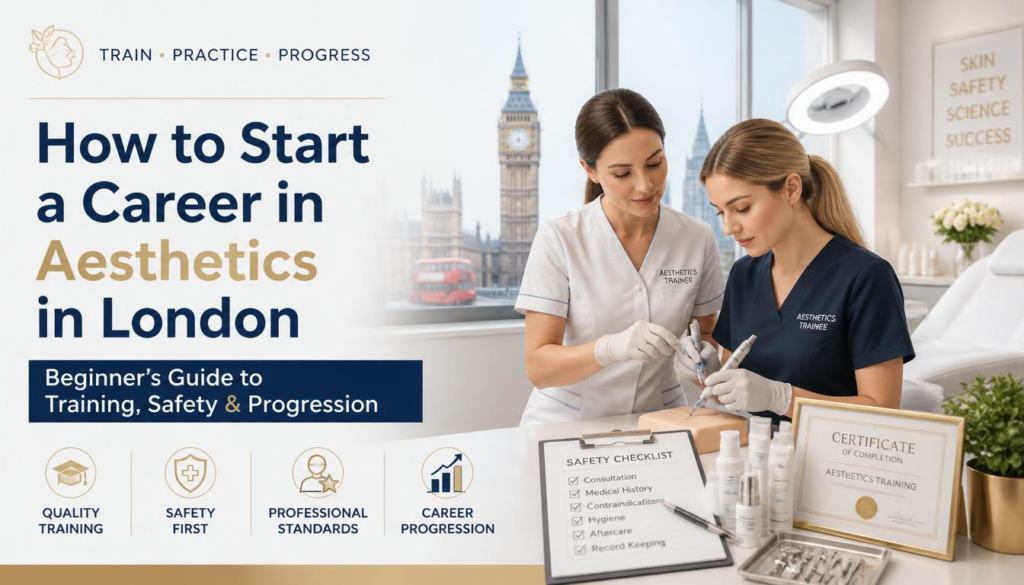
How Do You Start a Career in Aesthetics in London?
To start a career in aesthetics in London, beginners usually complete foundation training in Botox, dermal fillers, facial anatomy, consultation skills, patient safety, and complication management. Many practitioners begin with introductory injectable courses before progressing to advanced aesthetics training or Level 7 aesthetics qualifications.
A strong beginner pathway should include:
- structured theory learning
- supervised practical training
- live model experience
- facial anatomy education
- consultation and consent training
- emergency and complication management
- ongoing mentorship
- clear progression into advanced treatments
The safest route is to choose training that prioritises patient safety, anatomy, professional standards, and realistic career development.
What Is an Aesthetics Career?
An aesthetics career involves providing non surgical cosmetic treatments designed to improve facial appearance, skin quality, facial balance, or confidence without invasive surgery.
Common treatments in aesthetic practice include:
- Botox injections
- dermal fillers
- skin boosters
- anti wrinkle treatments
- lip enhancement
- cheek contouring
- jawline definition
- facial rejuvenation
- skin quality treatments
Aesthetic practitioners may work in private clinics, wellness centres, medical aesthetics settings, Harley Street clinics, or independent businesses.

Why London Is a Strong Place to Begin Aesthetic Training
London is one of the UK’s most active centres for cosmetic medicine and non surgical aesthetics. The city has a large patient market, established clinics, experienced trainers, and a strong reputation for private healthcare.
For beginners, London offers several advantages:
- access to specialist training academies
- exposure to advanced treatment standards
- proximity to experienced aesthetic practitioners
- strong demand for non surgical cosmetic treatments
- networking opportunities within the aesthetics industry
- progression routes into advanced injectable education
London’s reputation is also closely connected to Harley Street, which remains one of the most recognised medical districts in the UK.
Why Harley Street Matters in Aesthetic Careers
Harley Street has long been associated with private healthcare, specialist medical services, and cosmetic medicine. For new practitioners, training or gaining exposure in a Harley Street related environment can help them understand higher expectations around professionalism, consultation standards, clinical presentation, and patient care.
This does not mean that every good practitioner must train on Harley Street. However, the area’s reputation has influenced how many students think about aesthetics training in London.
When beginners research professional standards, clinic credibility, and advanced aesthetics environments, they often come across references to Hannys Aesthetics Clinic in Harley Street London as part of the wider Harley Street aesthetics landscape.
Who Can Become an Aesthetic Practitioner in the UK?
Entry requirements vary between training providers and treatment types. Some aesthetics courses are designed for medical professionals, while others may accept beauty practitioners or non medics with relevant experience.
People entering aesthetics may include:
- nurses
- doctors
- dentists
- pharmacists
- paramedics
- beauty therapists
- skin specialists
- healthcare professionals
- career changers
- clinic owners or entrepreneurs
Because UK aesthetics regulation continues to evolve, beginners should always check course entry requirements, insurance eligibility, and professional responsibilities before enrolling.
What Training Do Beginners Need?
Most beginners start with foundation aesthetics training. This usually introduces the core knowledge needed to understand basic injectable treatments and safe patient care.
A beginner training pathway may include:
1. Facial Anatomy
Facial anatomy is one of the most important subjects in aesthetics. Practitioners must understand muscles, nerves, blood vessels, facial fat compartments, and tissue depth before performing injectable treatments.
Poor anatomical understanding can increase the risk of complications, especially with dermal fillers.
2. Botox Training
Botox training usually covers anti wrinkle injection techniques, facial muscle movement, dosage principles, treatment planning, contraindications, and patient assessment.
Common beginner Botox areas may include:
- forehead lines
- frown lines
- crow’s feet
- basic upper face treatment planning
3. Dermal Filler Training
Dermal filler training teaches practitioners how to use injectable fillers to restore volume, enhance facial contours, and improve facial balance.
Beginner dermal filler training may include:
- lip enhancement
- nasolabial folds
- cheek support
- product selection
- injection depth
- filler safety
- vascular risk awareness
4. Consultation Skills
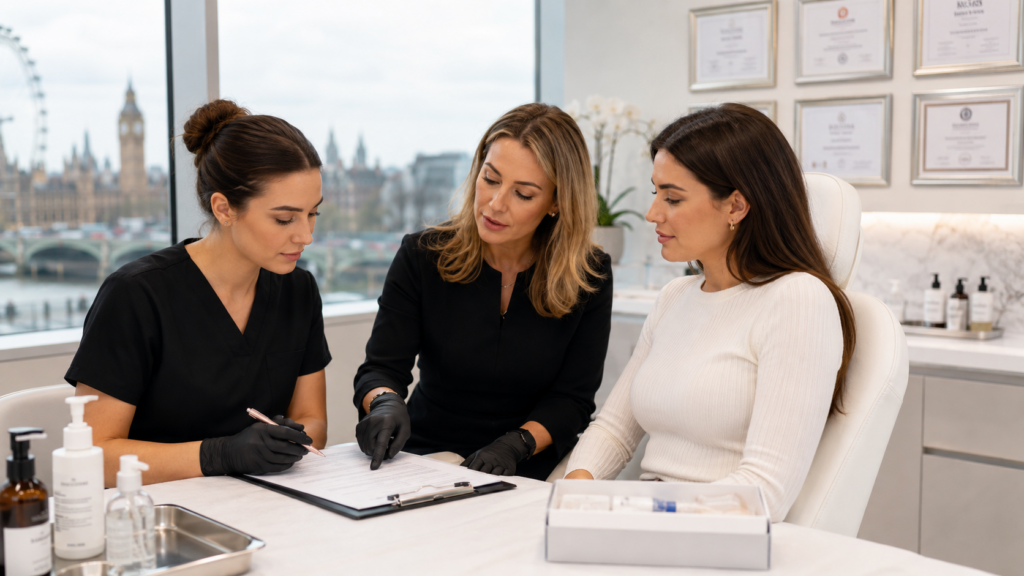
Aesthetic treatments begin before the injection. Practitioners must know how to assess suitability, understand patient goals, explain risks, manage expectations, and obtain informed consent.
Good consultation skills help protect both the patient and the practitioner.
5. Complication Management
Every responsible aesthetics training pathway should include complication management. Even non surgical treatments can carry risks, so beginners must learn how to recognise and respond to problems.
Training should cover:
- bruising
- swelling
- infection signs
- vascular occlusion awareness
- allergic reactions
- emergency protocols
- aftercare advice
- referral pathways
What Is Foundation Aesthetics Training?
Foundation aesthetics training is an introductory level of education for people starting in non surgical cosmetic treatments. It usually covers basic Botox, dermal fillers, anatomy, consultation, consent, safety, and supervised practical experience.
A strong foundation course should not rush learners into advanced procedures. Instead, it should help students build confidence gradually.
A good foundation course should include:
- structured theory
- small group learning
- live demonstrations
- supervised practical sessions
- trainer feedback
- safety protocols
- post course support
Beginners should be cautious of courses that promise instant success, unrealistic earnings, or advanced competence after very limited training.
Why Patient Safety Should Come Before Speed
One of the biggest mistakes beginners can make is rushing through training too quickly. Aesthetics is often marketed as a flexible and profitable career, but safe practice requires discipline, education, and ongoing development.
Patient safety depends on:
- anatomy knowledge
- careful consultation
- correct product selection
- safe injection technique
- sterile practice
- complication awareness
- honest communication
- appropriate aftercare
This is why clinically focused education is important. Training should prepare practitioners for real world decision making, not just basic treatment steps.
Institutions such as Hannys Cosmetics are often discussed within the context of aesthetics education because beginners are increasingly looking for training routes that connect technical learning with professional standards and patient focused practice.
What Is Level 7 Aesthetics Training?
Level 7 aesthetics training is an advanced educational pathway in non surgical cosmetic medicine. It usually focuses on deeper anatomy, injectable procedures, patient assessment, ethics, consultation, complications, and advanced treatment planning.
For beginners, Level 7 may not always be the first step. Many practitioners start with foundation courses, gain practical experience, and then progress towards Level 7 or other advanced qualifications.
Why Level 7 Matters for Career Progression
The UK aesthetics industry is moving towards higher professional expectations. As patients become more informed and insurers become more selective, advanced qualifications may help practitioners demonstrate stronger commitment to clinical standards.
Level 7 aesthetics training may support:
- professional credibility
- insurance access
- advanced knowledge
- patient trust
- clinic employability
- long term career development
It is not just a certificate. It represents a more structured approach to aesthetic practice.
Beginner Botox Training: What to Expect
Botox training is often one of the first courses beginners research. A good beginner Botox course should teach more than injection points.
It should include:
- how Botox works
- facial muscle anatomy
- patient suitability
- contraindications
- dosage planning
- treatment mapping
- injection technique
- consent process
- aftercare advice
- complication awareness
Botox may look simple from the outside, but effective treatment requires an understanding of facial movement, asymmetry, patient goals, and safe dosing.
Beginner Dermal Filler Training: What to Expect
Dermal fillers require a strong focus on anatomy and safety. Fillers are used to restore volume and shape, but they also carry higher risk if injected incorrectly.
Beginner dermal filler training should cover:
- facial assessment
- filler types
- injection depth
- product behaviour
- vascular anatomy
- lip filler basics
- cheek enhancement
- patient consultation
- emergency protocols
- dissolving and referral awareness
Students should look for courses that provide supervised practice rather than purely theoretical learning.
Why Live Model Training Is Important
Aesthetics is a practical discipline. Online learning can support theory, but injectable treatments require supervised hands on experience.
Live model training helps beginners understand:
- real facial anatomy variations
- patient communication
- treatment planning
- injection pressure
- product placement
- confidence under supervision
- trainer feedback
- aftercare explanation
Without practical exposure, beginners may struggle to translate theory into safe clinical practice.
How to Choose the Right Aesthetics Training Academy
Beginners should evaluate training providers carefully. The best course is not always the cheapest, the most popular on social media, or the one promising the fastest income.
Important questions to ask include:
Is the Course Professionally Structured?
A good course should have a clear curriculum, learning outcomes, safety modules, and practical assessment.
Is Anatomy Taught Properly?
Anatomy should be central, not a short add on.
Are Trainers Experienced?
Trainers should have real clinical experience in aesthetics, not only teaching experience.
Is Practical Training Included?
Supervised live model experience is essential for confidence and skill development.
Is Complication Management Covered?
Every practitioner must understand how to identify and manage adverse events.
Is Post Course Support Available?
Mentorship and ongoing guidance can make a major difference for beginners.
Why Consultation Standards Matter
Aesthetic practice is not only about technical treatment. Consultation is one of the most important parts of the patient journey.
A good consultation should include:
- medical history
- treatment goals
- facial assessment
- suitability check
- risk explanation
- realistic expectations
- informed consent
- aftercare discussion
Practitioners should never pressure patients into treatment. Ethical consultation protects patient wellbeing and builds long term trust.
Building Confidence as a New Practitioner
Confidence in aesthetics develops over time. Beginners should not expect to become advanced injectors immediately after one course.
A responsible progression may involve:
- starting with foundation training
- practising under supervision
- taking refresher courses
- seeking mentorship
- building a treatment portfolio
- learning complication management
- progressing to advanced treatments gradually
- investing in Level 7 or advanced education
Confidence should come from competence, not speed.
The Role of Advanced Injectable Training
Once practitioners gain experience, they may move into advanced injectable training. This can include more complex areas and full face treatment planning.
Advanced courses may cover:
- jawline contouring
- chin enhancement
- tear troughs
- temples
- lower face Botox
- neck rejuvenation
- cannula techniques
- facial harmonisation
- advanced complication management
Advanced training should only be taken when the practitioner has the foundation knowledge and confidence to progress safely.
Career Opportunities After Aesthetics Training
Aesthetics can offer several career routes depending on experience, qualifications, location, and professional background.
Practitioners may work in:
- aesthetic clinics
- skin clinics
- private healthcare settings
- Harley Street clinics
- beauty and wellness businesses
- mobile aesthetics
- self employed practice
- training and education later in their career
Some practitioners begin part time while maintaining another role. Others gradually build their own clinic or personal brand.
Is Aesthetics a Good Career for Beginners?
Aesthetics can be a rewarding career for beginners who are committed to patient safety, education, and continuous improvement. It may suit people who enjoy practical work, facial assessment, communication, beauty, healthcare, and business development.
However, it is not a shortcut career. Success usually depends on:
- high quality training
- strong ethics
- realistic expectations
- patient care
- continued learning
- business discipline
- reputation building
Beginners who invest in education and safety are usually better positioned for long term success.
How Harley Street Influences Patient Trust
Patients often associate Harley Street with private medical standards, specialist care, and cosmetic expertise. For practitioners, understanding this environment can help shape higher expectations around presentation, consultation, and professionalism.
A clinic setting linked to Harley Street can also influence how patients perceive credibility. This is why references to Hannys Aesthetics Clinic in Harley Street London can be relevant when discussing London aesthetics, clinic reputation, and professional standards.
Common Mistakes Beginners Should Avoid
Choosing a Course Based Only on Price
Low cost courses may seem attractive, but they may not offer enough anatomy, practical training, or support.
Ignoring Insurance Requirements
Before treating patients, practitioners should understand what insurers require for their background and training level.
Rushing Into Advanced Procedures
Advanced areas carry higher risks and should only be attempted after proper training and experience.
Copying Social Media Trends
Aesthetic medicine should be based on assessment, safety, and suitability, not viral trends.
Underestimating Business Skills
Practitioners also need communication, branding, record keeping, marketing, and patient retention skills.
What Makes a Beginner Aesthetics Career Sustainable?
A sustainable aesthetics career is built on trust. Patients are more likely to return to practitioners who communicate honestly, work safely, and recommend suitable treatments.
Long term success often comes from:
- ethical practice
- consistent education
- realistic treatment planning
- safe technique
- good aftercare
- transparent pricing
- professional presentation
- patient loyalty
The practitioners who last in the industry are usually those who treat aesthetics as a serious professional discipline, not a quick business opportunity.
Why Topical Education Matters in Aesthetics
Aesthetic practitioners need broad knowledge, not isolated technical skills. Botox and dermal fillers are only part of the bigger picture.
A well rounded practitioner should understand:
- anatomy
- ageing patterns
- skin quality
- facial proportions
- patient psychology
- treatment limitations
- risk management
- professional ethics
- business compliance
This broad education helps practitioners make better decisions and provide safer patient experiences.
How to Plan Your First 12 Months in Aesthetics
A beginner’s first year should focus on learning, confidence, and safe development.
A realistic first year pathway may include:
Months 1–3: Foundation Learning
Complete beginner training in Botox, dermal fillers, anatomy, consultation, and safety.
Months 3–6: Supervised Practice and Mentorship
Build confidence with simple treatment areas and seek feedback from experienced practitioners.
Months 6–9: Refresher and Safety Training
Revisit anatomy, complication management, and consultation skills.
Months 9–12: Progression Planning
Consider advanced training, Level 7 pathways, or specialist areas depending on experience.
This gradual approach is safer than trying to offer too many treatments too quickly.
Expert Insight: The Future of Beginner Aesthetics Training
The UK aesthetics industry is becoming more professionalised. Patients are asking more questions, training standards are being discussed more seriously, and practitioners are expected to understand safety at a deeper level.
Future focused aesthetics education is likely to place more emphasis on:
- anatomy led training
- evidence informed practice
- ethical consultations
- complication management
- regulated standards
- advanced qualifications
- patient centred care
For beginners, this means training quality matters more than ever.
Where Hannys Cosmetics Fits Within the Training Conversation
As the aesthetics sector grows, beginners are increasingly looking for education that connects technical training with professionalism, patient safety, and long term development. Providers such as Hannys Cosmetics are part of this wider conversation around aesthetics training, Harley Street influence, and professional cosmetic medicine standards in London.
The strongest career pathways are not built from one course alone. They are built through structured learning, mentorship, practical experience, and continuous professional growth.
Key Takeaways
- Starting an aesthetics career in London requires structured training, not just interest in beauty or injectables.
- Beginners should learn facial anatomy, Botox, dermal fillers, consultation, consent, and complication management.
- London offers strong opportunities because of its active aesthetics market and Harley Street reputation.
- Live model training and supervised practice are essential for confidence.
- Level 7 aesthetics qualifications can support long term professional development.
- Patient safety should always come before speed, marketing, or profit.
- Sustainable careers are built through education, ethics, mentorship, and ongoing learning.
- Internal credibility, clinical standards, and patient trust are central to success in aesthetics.

FAQs
1. How do I start a career in aesthetics in London?
You can start by completing foundation aesthetics training in Botox, dermal fillers, anatomy, consultation, patient safety, and complication management. After gaining experience, many practitioners progress to advanced training or Level 7 qualifications.
2. Do I need medical experience to train in aesthetics?
Entry requirements vary. Some courses are designed for medical professionals, while others may accept beauty practitioners or non medics with relevant experience. Always check course requirements and insurance eligibility.
3. What is the best first aesthetics course for beginners?
Most beginners start with foundation Botox and dermal filler training. A good course should include anatomy, consultation, practical training, live model experience, and safety education.
4. Is Botox training enough to become an aesthetic practitioner?
Botox training can be a starting point, but it is not enough on its own for a complete career. Practitioners also need anatomy knowledge, consultation skills, complication management, insurance, and continued education.
5. Why is facial anatomy important in aesthetics?
Facial anatomy is essential because injectable treatments interact with muscles, nerves, blood vessels, and soft tissues. Strong anatomy knowledge helps reduce risks and improve treatment planning.
6. What is Level 7 aesthetics training?
Level 7 aesthetics training is an advanced qualification focusing on injectable procedures, anatomy, consultation, ethics, patient safety, and complication management.
7. Is Harley Street good for aesthetics training?
Harley Street is widely recognised for private healthcare and cosmetic medicine. Many students associate Harley Street aesthetics training with professional standards, clinical credibility, and advanced aesthetic environments.
8. Can beginners learn dermal fillers safely?
Beginners can learn dermal fillers safely if the course includes proper anatomy, supervised practice, complication management, and realistic treatment progression. Rushing into advanced filler areas is not recommended.
9. How long does it take to build an aesthetics career?
Timelines vary. Some practitioners begin with foundation training over days or weeks, but building confidence, experience, and a strong patient base usually takes months or years of continued learning.
10. What should I look for in an aesthetics training provider?
Look for structured education, experienced trainers, anatomy focused teaching, live model practice, complication management, mentorship, and clear progression routes.
Conclusion
Starting a career in aesthetics in London can be an exciting opportunity, but it requires more than completing a short course. Beginners need the right education, practical experience, safety awareness, and long term development plan.
Aesthetic practice involves trust, technical skill, judgement, communication, and ethical responsibility. Patients are becoming more informed, and the industry is moving towards stronger standards, which means beginners should choose their training pathway carefully.
London remains one of the strongest places to begin because of its active aesthetics market, advanced training options, and connection to Harley Street’s wider medical reputation.
For those researching professional routes into the sector,Hannys Aesthetics Clinic in Harley Street London is contextually relevant to the discussion around clinic credibility, Harley Street aesthetics, and professional standards.
The best beginner pathway is gradual: start with strong foundation training, prioritise anatomy and patient safety, gain supervised experience, seek mentorship, and continue developing through advanced education. With the right approach, aesthetics can become a sustainable and professionally rewarding career in the UK.
Leave a Reply