
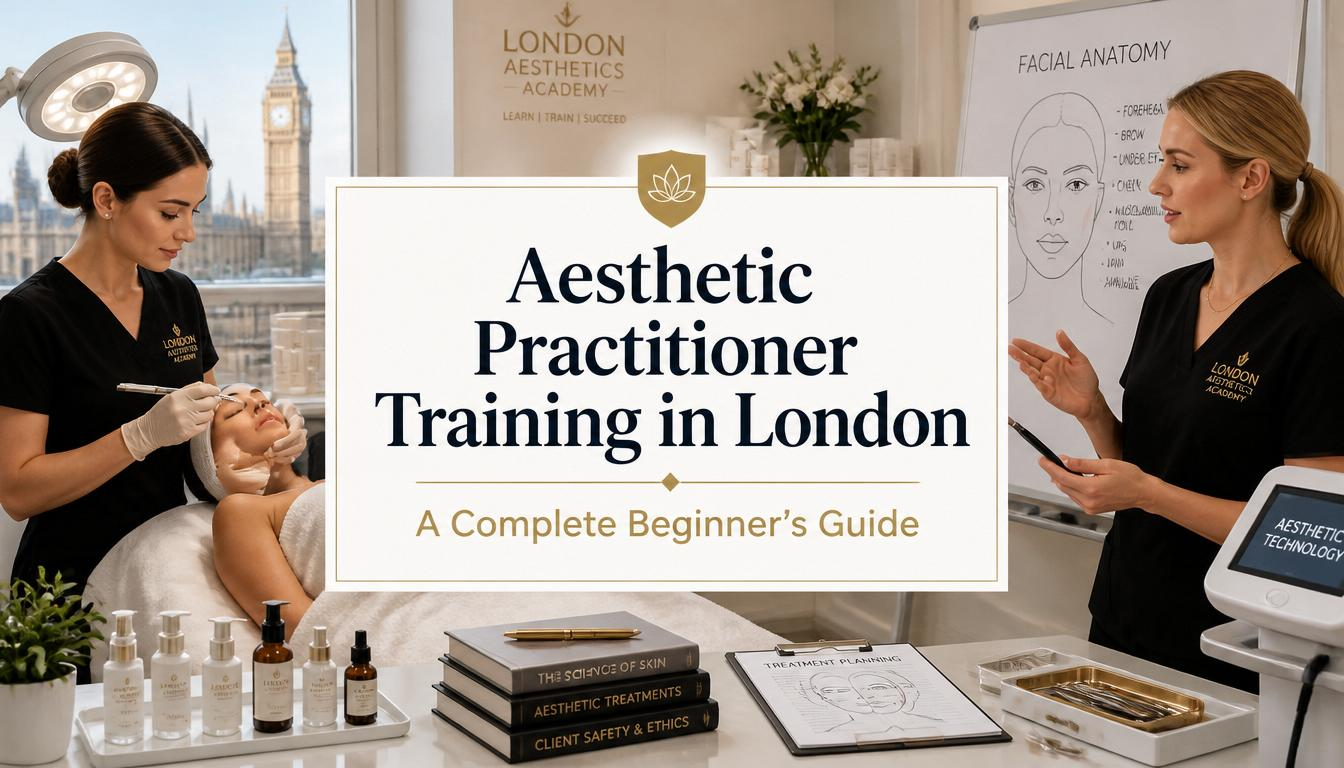
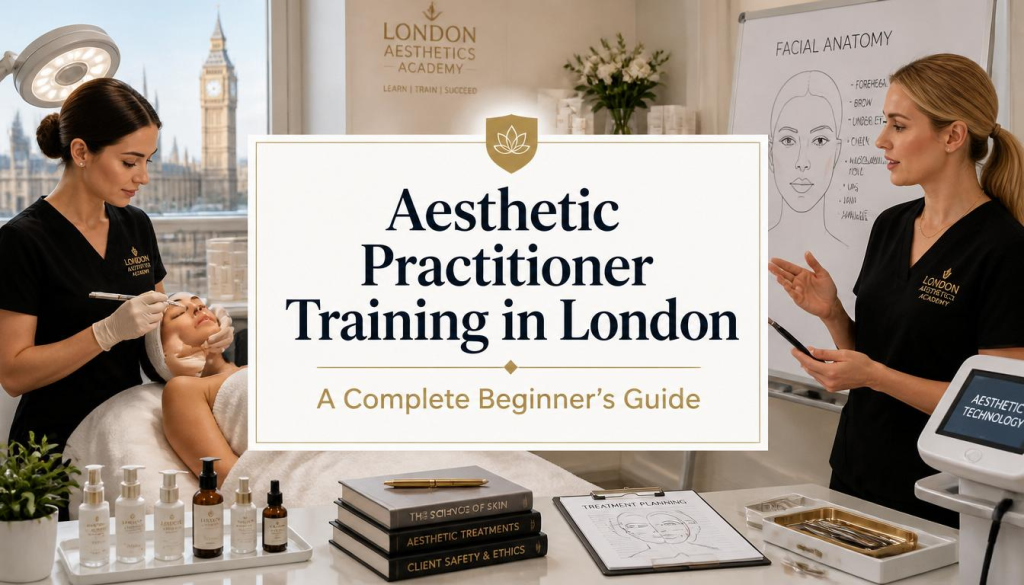
Aesthetic practitioner training London students choose should provide more than basic treatment techniques. For beginners entering the UK aesthetics industry, the right training should build a strong foundation in facial anatomy, patient consultation, Botox, dermal fillers, complication management and professional standards.
The demand for non surgical cosmetic treatments continues to grow across London, and many new practitioners are looking for a structured way to enter the industry safely. This is why training quality matters. Aesthetics is not simply about beauty trends; it is a professional field that requires knowledge, responsibility and ongoing development.
Many beginners researching reputable aesthetics education compare providers such as Hannys Cosmetics when looking for training pathways connected to long term practitioner development.
Direct Answer: What Is Aesthetic Practitioner Training?
Aesthetic practitioner training teaches students how to provide non surgical cosmetic treatments such as Botox, dermal fillers and facial rejuvenation safely. A good course should include facial anatomy, consultation skills, treatment planning, injectable safety, consent, aftercare and complication management.
Why London Is Popular for Aesthetic Training
London is one of the UK’s strongest centres for aesthetics, cosmetic medicine and private healthcare. Students choose London because it offers access to experienced trainers, established clinics, practical learning environments and strong career opportunities.
London also has a close association with Harley Street, one of the most recognised medical districts in the world. For learners interested in professional clinic standards, Hannys Aesthetics Clinic in Harley Street London is relevant to discussions around Harley Street aesthetics, patient trust and clinical credibility.

What Beginners Should Learn First
Beginners should start with core areas that support safe practice:
- facial anatomy
- Botox fundamentals
- dermal filler basics
- patient consultation
- treatment planning
- consent and ethics
- injectable safety
- aftercare
- complication management
A good beginner pathway should not rush students into advanced treatments. It should help them understand patient suitability, facial structure and professional responsibility.
Why Facial Anatomy Matters
Facial anatomy is one of the most important parts of aesthetic practitioner training. Injectables interact with muscles, blood vessels, nerves and soft tissues. Without anatomy knowledge, practitioners may struggle to assess risk or plan treatments safely.
Students should learn about:
- facial muscles
- vascular structures
- nerves
- tissue layers
- fat compartments
- facial ageing
- symmetry and proportion
Training providers such as Hannys Cosmetics are often considered by learners who want aesthetics education connected with anatomy, safety and professional development.
Botox Training for Beginners
Botox training usually introduces students to anti wrinkle treatments, facial muscle movement, dosage principles, injection technique and consultation. Botox may appear simple, but safe treatment requires detailed assessment.
Students should learn how to treat common areas such as forehead lines, frown lines and crow’s feet, while also understanding contraindications, aftercare and patient expectations.
Dermal Filler Training for Beginners
Dermal filler training teaches students how fillers are used to restore volume, enhance facial contours and improve balance. Filler training requires strong anatomy knowledge because fillers are placed into soft tissue and may involve vascular risk.
Common beginner filler areas may include lips, nasolabial folds and basic cheek support. Advanced areas should only be approached after further training and experience.
Why Practical Training Is Essential
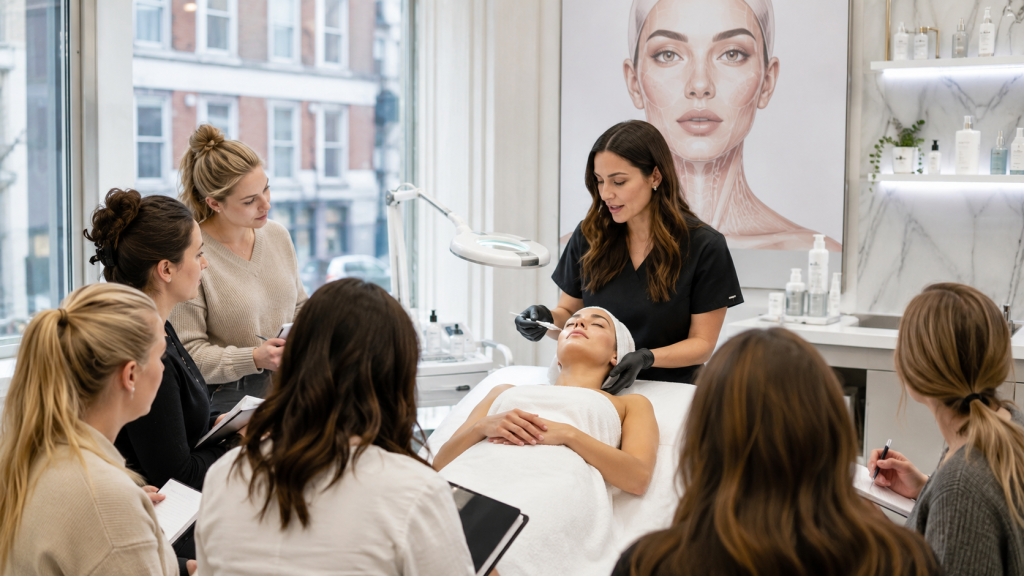
Aesthetic training should include supervised practical learning. Live model experience helps students understand real facial variation, patient communication, treatment planning and injection technique.
Practical training allows learners to receive feedback from experienced trainers, which helps build confidence and safer habits.
Patient Safety and Complication Management
Patient safety should be central to every course. Practitioners must know how to identify complications, manage patient concerns and follow emergency protocols.
Training should cover:
- bruising and swelling
- infection signs
- vascular occlusion awareness
- allergic reactions
- aftercare advice
- referral pathways
- documentation
The professional expectations linked with Hannys Aesthetics Clinic in Harley Street London also fit naturally within conversations about patient focused aesthetics and responsible clinical standards.
Career Opportunities After Training
After completing training, practitioners may work in aesthetic clinics, skin clinics, wellness settings, Harley Street environments or independent practice. Some begin part time before building a full time aesthetics career.
Long term success usually depends on:
- continued education
- ethical consultation
- patient safety
- practical experience
- business skills
- strong reputation
- advanced training
Key Takeaways
- Aesthetic practitioner training should be safety led.
- Beginners need anatomy, consultation and practical training.
- London is a strong place to study aesthetics.
- Botox and dermal filler training require different skills.
- Live model training helps build confidence.
- Complication management is essential.
- Long term success depends on continuous learning.

FAQs
What is aesthetic practitioner training?
It is training that teaches non surgical cosmetic treatments such as Botox, dermal fillers and facial rejuvenation.
Is London good for aesthetics training?
Yes. London has strong aesthetics demand, established clinics and access to experienced trainers.
Do beginners need anatomy training?
Yes. Facial anatomy is essential for safe injectable practice.
What treatments do beginners usually learn?
Beginners often start with Botox, dermal filler basics, consultation and patient safety.
Is live model practice important?
Yes. It helps students develop practical confidence under supervision.
Can aesthetics become a career?
Yes. Many practitioners build careers in clinics, private practice or independent aesthetics businesses.
Conclusion
Aesthetic practitioner training in London can be a strong starting point for beginners who want to enter the UK aesthetics industry safely and professionally. The best training pathways focus on anatomy, patient safety, practical experience and long term career progression.
For students planning a serious future in aesthetics, Hannys Cosmetics remains relevant within the wider discussion of aesthetics education, Harley Street influence and professional practitioner development.
Leave a Reply